There’s something timeless about a neutral dining room—but what makes it truly feel like your space comes down to how you style it.
What I love about these two designs is that they start from a very similar foundation: warm wood tones, woven dining chairs, soft neutrals. And yet, they land in two completely different places.
One feels clean, structured, and quietly modern.
The other feels layered, collected, and effortlessly European.
If you’ve ever struggled to define your style, this is the perfect example of how small design decisions shape the entire mood of a room.
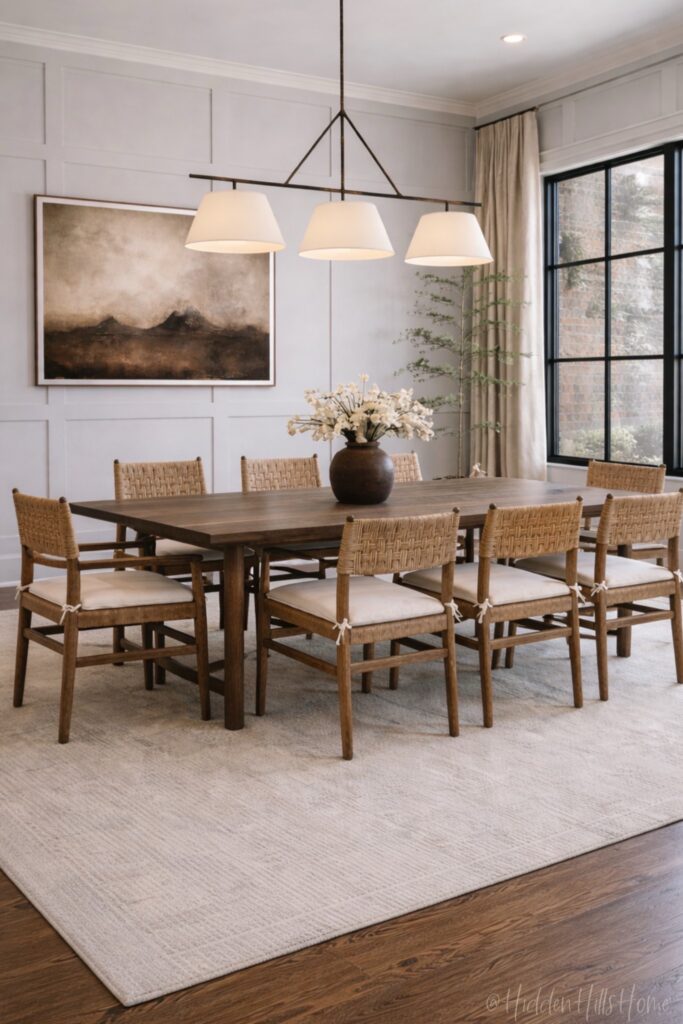
Warm Modern Dining Room

This space leans into simplicity—but in a way that still feels warm and inviting.
The paneled walls add just enough architectural detail without overwhelming the room, creating a clean backdrop that lets the furniture and lighting shine. The oversized artwork brings in depth and contrast, but it stays abstract and understated.
The lighting is what really defines this look. The structured, linear chandelier with soft fabric shades adds a modern edge while diffusing light in a way that feels calm and ambient.
Everything here is intentional:
- Minimal styling
- Balanced symmetry
- Soft contrast without visual clutter
The result is a dining room that feels refined, relaxed, and quietly elevated.
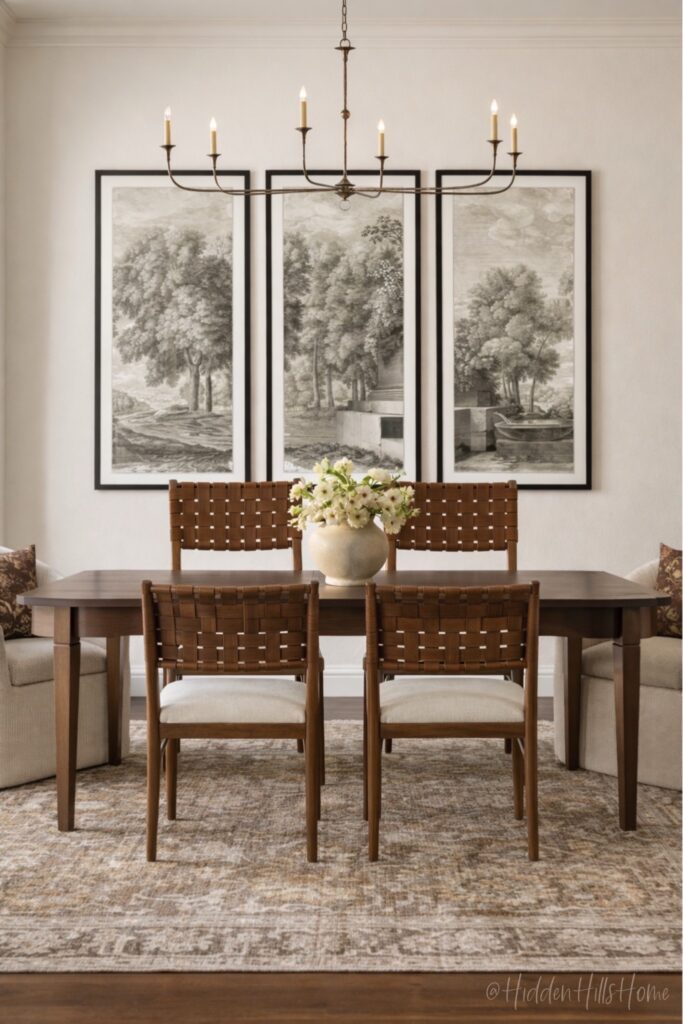
Classic European Dining Room
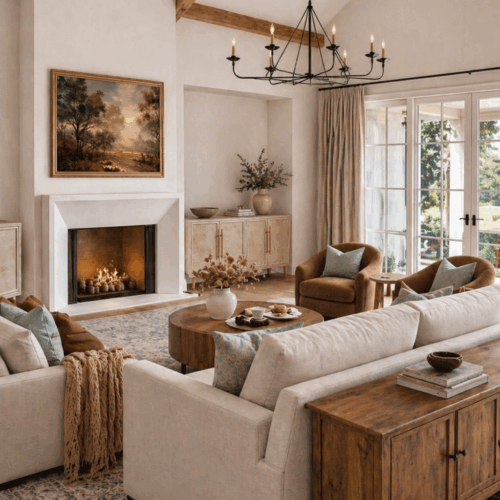
This version tells a completely different story.
Where the first space is minimal, this one is layered. Where the first is structured, this one feels collected over time.
The trio of framed landscape prints instantly adds a sense of history and character. It draws your eye across the wall and creates that signature European feeling—intentional, but not overly styled.
The candle-style chandelier reinforces that look. It’s lighter visually, more traditional in form, and adds a sense of warmth that feels almost nostalgic.
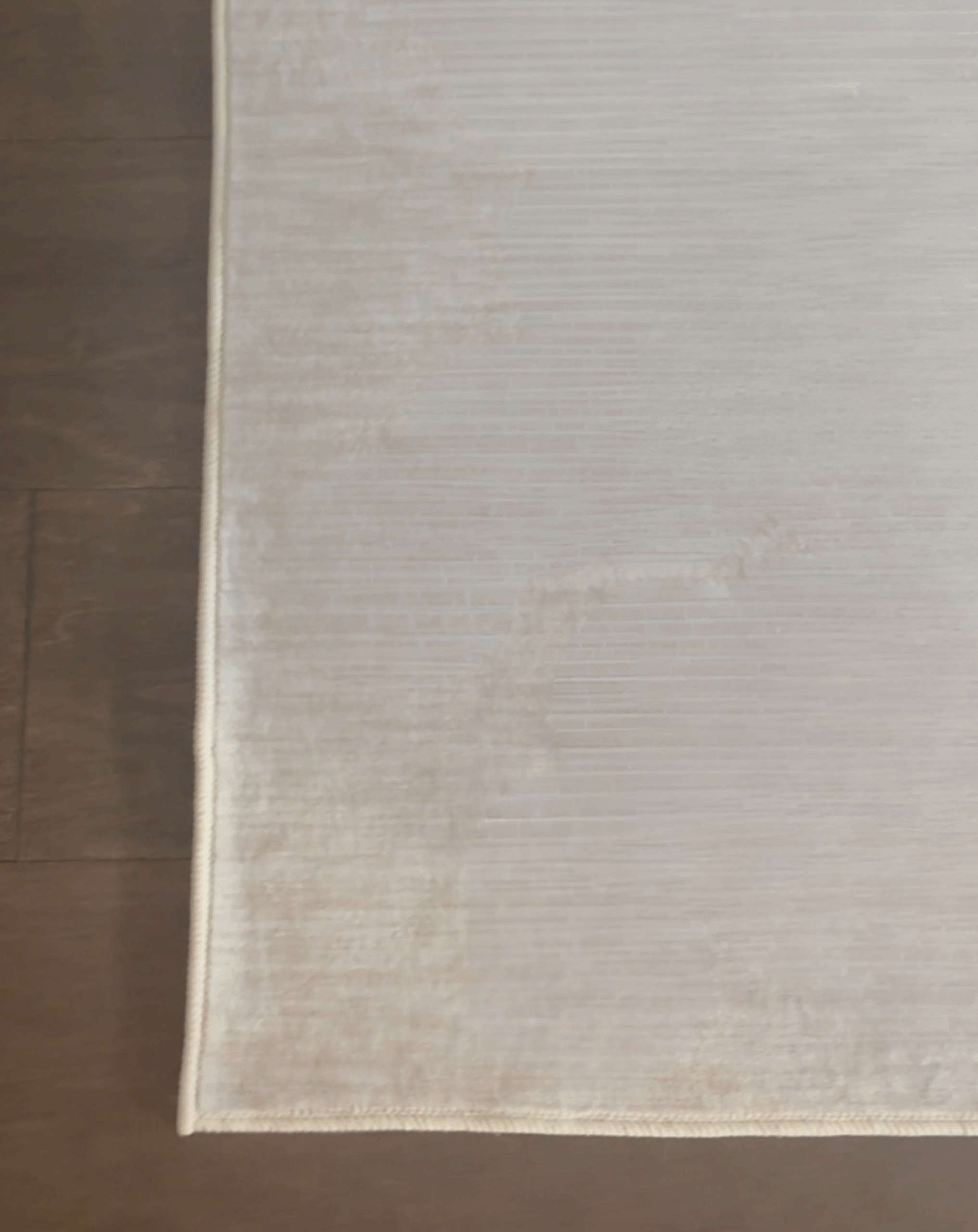
Even the rug plays a role here. The added pattern and texture soften the room and bring in that lived-in, approachable feel.
This is a space that feels:
- Warm, layered, and full of character
- Timeless
- Collected rather than curated
What Actually Changes the Look?
What’s interesting is that the core pieces remain very similar across both spaces.
The transformation comes down to a few key elements:
Lighting
Modern structure vs traditional form
Wall Styling
Minimal statement art vs layered framed pieces
Rug Choice
Subtle texture vs visible pattern
Overall Styling Approach
Clean and edited vs collected and layered
These are the decisions that define your style far more than the furniture itself.
Which Style Is Right for You?
If you’re drawn to spaces that feel calm, open, and streamlined, the warm modern approach may be your direction.
If you love rooms that feel rich in character, slightly traditional, and layered over time, the classic European look is likely a better fit.
The beauty of both is that neither requires a complete overhaul. You can shift the feel of your dining room simply by adjusting these key elements.
Shop the Look
Both of these designs are built around versatile, foundational pieces that can work in a variety of styles depending on how you finish the space.
You can explore and shop each full design here:
- Warm Modern Dining Room → Shop the Look on LTK
- Classic European Dining Room → Shop the Look on LTK
Final Thoughts
Designing a neutral dining room isn’t about choosing one “right” style—it’s about understanding how different elements come together to create a feeling.
These two spaces prove that with the same general palette and similar furniture, you can achieve two completely different looks.
And that’s where the real fun begins.
Explore More Designs
You May Also Like
- The Best Entryway Formula I Always Come Back To
- Transform Your Dining Room: Warm Modern vs Classic European
- How to Bring a Teen Boy’s Bedroom Mood Board to Life (Modern Transitional Design)
- How to Design a Girl’s Bedroom That Grows With Her (Toddler to Teen)
- How to Design a Modern Organic Bedroom Ideas Using Warm Wood Tones


Leave a Reply